Arm Pain from Cervical Disc Herniation
Neck pain that radiates to the arm, along with numbness or weakness, should be evaluated for cervical disc herniation and nerve compression.
Prof. Dr. Alp Özgün Börcek
Neurosurgery
Ankara Güven Hastanesi
You can schedule an appointment for a second consultation or examination.
Schedule an Appointment via WhatsApp Contact
Prof. Dr. Alp Özgün Börcek
Neurosurgery
Ankara Güven Hastanesi
This content is for informational purposes only; a medical examination is required for diagnosis and treatment. Medical texts must be reviewed by a doctor.
The spreading of neck pain to the shoulders, arms, hands, and fingers is commonly known as cervical disc herniation pain is known as. Its medical name is cervical radiculopathyis: The nerve root emerging from the cervical vertebrae is compressed due to a disc, a bony spur, or spinal stenosis.
Not all neck pain radiates to the arm, and not all pain that radiates to the arm requires surgery. What matters is the direction of the pain, which arm is affected, the presence of neurological symptoms such as numbness or weakness, and the impact on daily life.
What Does Pain and Numbness in the Arm Mean?
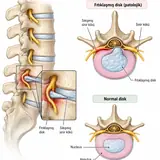
In a herniated disc in the neck, the outer ring of the intervertebral disc tears, and the inner portion may press on a nerve root. This pressure causes pain, numbness, or tingling along the nerve’s path—through the shoulder, the outer side of the arm, the elbow, the forearm, the hand, and the fingers.
The pain is usually unilateral. The location of the symptoms varies depending on which nerve root is affected: the C6 root may radiate toward the thumb, the C7 root toward the middle finger, and the C8 root toward the little and ring fingers. During the examination, the Spurling test, reflex tests, and sensory examination help determine which nerve root is affected.
Tilting your head back, sitting in front of a computer for long periods, or making sudden neck movements An increase in pain during this process may suggest nerve root irritation; however, a diagnosis is not made based on this finding alone—an MRI and clinical examination are evaluated together.
What Symptoms Should You Watch For?
- A sharp, electric shock- or burning-like pain that radiates down the arm — shoulder, arm, or hand
- Numbness, tingling — in a specific area of the hand, finger, or arm
- Power loss — poor grip, inability to hold a pencil, inability to lift an arm
- Along with neck pain or after neck pain arm pain that began
- Sleep disturbances at night — inability to hold the arm in a comfortable position
If symptoms subside within a few days, conservative treatment is sufficient in most cases. If pain lasts longer than 4–6 weeks, is gradually worsening, or is accompanied by numbness or weakness, a specialist evaluation is recommended.
What Should You Do If There Is a Power Outage?
Yes, loss of strength should be taken seriously. Numbness may indicate that nerve transmission is impaired; decreased grip strength, atrophy of the hand muscles, or inability to lift the arm It is a more pronounced sign of compression and requires early evaluation.
It is common for pain to resolve with conservative treatment, accompanied by mild numbness. However, the spread of numbness, progressive weakness, or symptoms in both arms may require urgent evaluation.
Findings identified during a neurological examination should be interpreted in conjunction with the MRI images; a small herniation seen on an MRI may not always be the cause of the symptoms.
Is Every Pain That Radiates Down the Arm Caused by a cervical disc herniation?
No. There are other causes of pain that radiates down the arm:
- Muscle spasms and stiff neck — activation of the trapezius and shoulder muscles
- Shoulder Joint Disorders — Shoulder pain can radiate down the arm
- Peripheral Nerve Compression — at the elbow (cubital tunnel) or wrist (carpal tunnel) level
- Cervical spinal stenosis — Numbness in the arms while walking or standing for long periods
For this reason, rather than making a diagnosis based solely on an MRI, the patient’s medical history, physical examination findings, and imaging results are evaluated together. For more information, cervical disc herniation You can check out the page.
How Are MRI and Physical Examination Evaluated Together?
An MRI isn't necessary for every case of neck pain. For mild neck pain in the first few weeks, improvement is expected with an examination, medication, and adjustments to activity levels. An MRI is typically scheduled in the following situations:
- If symptoms last longer than 4–6 weeks
- If you experience pain, numbness, or weakness radiating down your arm
- If the response to conservative treatment is inadequate
- If surgery is being considered
MRI findings may not always correspond to symptoms; many people of the same age may show signs of disc degeneration on an MRI but have no symptoms. The results must be interpreted in conjunction with a clinical examination. If you have a previous MRI, you may bring the report and images with you.
Should Non-Surgical Treatment Be Tried First?
Yes. The vast majority of cervical disc herniation cases resolve without surgery. First-line treatment typically includes the following:
- Short-term use of a neck brace (not recommended for long-term use)
- Pain relievers and muscle relaxants
- Physical therapy and neck stabilization exercises
- Ergonomic adjustments — computer height, phone use
- Cervical epidural injection, if necessary
Most patients experience significant relief within a few weeks. The treatment plan is tailored to the severity of the symptoms and the neurological findings.
When Is Surgery Necessary?
Surgery is not necessary for every patient with a cervical disc herniation condition. Surgery is generally considered in the following situations:
- 6–12 weeks old if there is no response to appropriate conservative treatment
- Progressive loss of strength if any
- Unbearable pain and if there is a significant decline in quality of life
- In selected cases Persistent numbness caused by nerve compression
cervical disc herniation surgeries are typically performed using an anterior or posterior approach; the portion of the disc compressing the nerve root is removed, or the spinal canal is widened. The most appropriate method for each patient is discussed following an examination.
Neck pain that radiates to the arm, along with numbness or weakness, should be evaluated for cervical disc herniation and nerve compression.
Schedule an Appointment via WhatsApp ContactRelated Pages


Frequently Asked Questions
No. Muscle spasms, shoulder joint problems, and nerve compression at the elbow or wrist can also cause pain that radiates down the arm. A physical examination is used to distinguish between these conditions.
In many patients, yes. Significant improvement is seen within a few weeks with medication, short-term use of a neck brace, physical therapy, and ergonomic adjustments; in selected cases, surgery may be considered.
It is typically a sharp or burning pain that radiates to one side. Depending on the affected nerve root, it can extend to the shoulder, the outer side of the arm, the elbow, the hand, or specific fingers.
No. Disc degeneration or small herniations seen on an MRI may be asymptomatic in many people. The decision to undergo surgery is made by evaluating symptoms, physical examination findings, and the response to conservative treatment together.
If there is rapidly progressing muscle weakness, difficulty gripping with the hands, symptoms in both arms, or noticeable weakness in the hand muscles, an evaluation by a specialist is recommended without delay.
Author: Prof. Dr. Alp Özgün Börcek
Last updated: July 2, 2026
This content is provided for informational purposes only; it is not intended to replace a personal diagnosis or treatment.