Neurogenic Claudication
Numbness and pain in the legs while walking, which improve with rest, should be evaluated for spinal stenosis.
Prof. Dr. Alp Özgün Börcek
Neurosurgery
Ankara Güven Hastanesi
You can schedule an appointment for a second consultation or examination.
Schedule an Appointment via WhatsApp Contact
Prof. Dr. Alp Özgün Börcek
Neurosurgery
Ankara Güven Hastanesi
This content is for informational purposes only; a medical examination is required for diagnosis and treatment. Medical texts must be reviewed by a doctor.

A sensation of numbness, pain, heaviness, or weakness in the legs while walking; improvement when sitting or resting briefly — this condition is common spinal stenosis (spinal stenosis) is associated with. In medical terminology, this is called neurogenic claudication Also known as: leg symptoms that worsen with walking and improve with rest.
Leg numbness every time you walk does not necessarily mean spinal stenosis; lumbar disc herniation, vascular disease, or hip problems can also cause similar symptoms. This page helps you recognize symptoms typical of spinal stenosis. Home page: Treatment for spinal stenosis; general framework: Spinal Surgery in Ankara.
Prof. Dr. Alp Özgün Börcek evaluates spinal stenosis as part of neurosurgery at Ankara Güven Hastanesi. This text is for informational purposes only; an examination is required for a definitive diagnosis and treatment.
What Is a Narrow Channel?
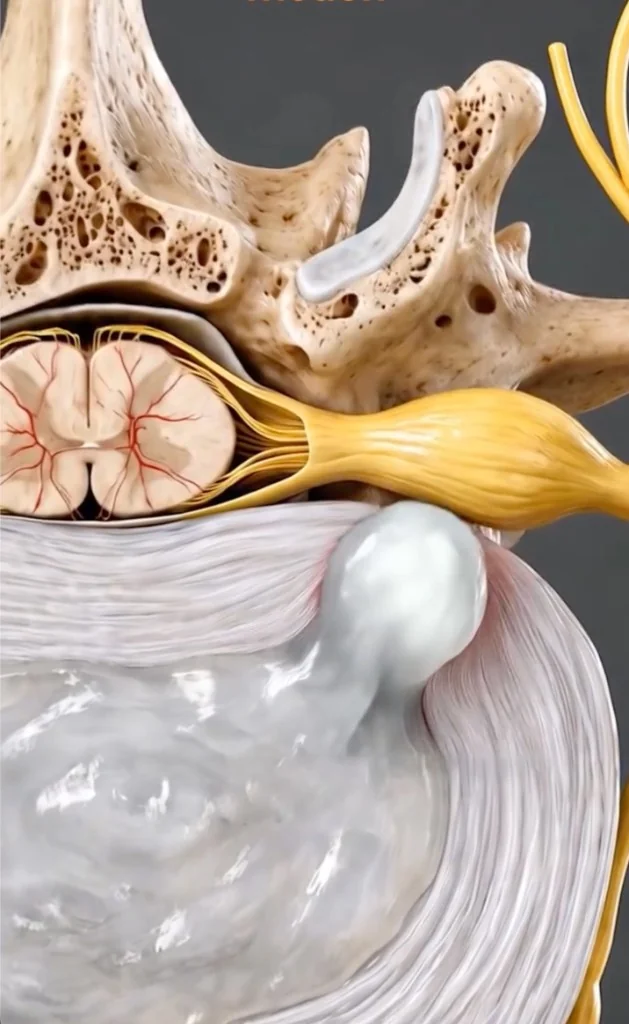
spinal stenosis (lumbar spinal stenosis) is the gradual narrowing of the canal in the spine through which nerves pass. A herniated disc, joint overgrowth, thickening of ligaments, or bone spurs can put pressure on the canal. The narrowed space can compress the nerve roots, leading to increased leg pain while walking, numbness, and a reduced walking distance.
The narrowing usually progresses slowly. For this reason, many patients attribute their symptoms to “old age” or “lack of fitness”; however, if the distance they can walk is gradually decreasing, an evaluation is advisable.
Why Do My Legs Go Numb When I Walk?
Standing and walking can increase pressure within the spinal canal. In spinal stenosis, the nerve roots become more compressed during these activities, leading to numbness, tingling, a burning sensation, or pain in the legs. As the distance traveled increases, symptoms worsen; sometimes a feeling of “heaviness” or “weakness” in the legs may also develop.
Typically, the patient says, “I can walk for a while, then my legs go numb; I can keep going if I sit down briefly or lean forward.” This history is classic for spinal stenosis; a physical examination and, if necessary, an MRI are required for a definitive diagnosis.
What Does the Sense of Relief When Resting or Leaning Forward Make You Think Of?
Sitting or leaning forward (such as leaning on a shopping cart) can slightly widen the canal. As pressure on the nerve decreases, symptoms quickly subside. This pattern of “relief with rest” is consistent with neurogenic claudication.
In contrast, leaning forward generally does not provide the same relief in vascular claudication. The distinction is made through a physical examination and, if necessary, a vascular evaluation.
What Symptoms Should You Watch For?
- Increasing leg pain, numbness, or tingling while walking
- The gradual shortening of walking distances
- Noticeable relief when sitting or leaning forward
- Heaviness in the legs, a feeling of “weakness”
- The need to stop after shopping, a walk in the park, or climbing stairs
If there is a sudden loss of strength, urinary or bowel problems, or numbness in the saddle area, an urgent evaluation is required.
What Is the Difference Between This and lumbar disc herniation?
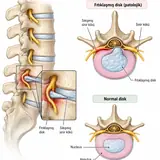
in the lumbar disc herniation The pain may start more suddenly; it can cause a sharp pain radiating down the leg by affecting a single nerve root; it may worsen when sitting or coughing. Details: Lower back pain that radiates down the leg, lumbar disc herniation.
In spinal stenosis A typical presentation involves leg symptoms that worsen with walking and improve with sitting or bending forward. Both symptoms may occur together in the same patient. For a definitive diagnosis, the medical history, physical examination, and imaging studies are interpreted together.
When Is an MRI Necessary?
If there is leg numbness or pain that limits walking distance but improves with rest, an MRI is usually scheduled. If a previous MRI or CT scan is available, with images and reports You may apply; the report alone is not sufficient.
The presence of stenosis on an MRI does not always mean surgery is necessary. The key is that the clinical symptoms align with the imaging findings.
Should Non-Surgical Treatment Be Tried First?
Yes. For mild to moderate symptoms, a conservative approach can be tried first:
- Activity management and appropriate exercise/physical therapy
- Pain relievers and, when necessary, medications for neuropathic pain
- Short-term rest (prolonged bed rest is not recommended)
- Injection therapies in selected cases
If symptoms significantly limit daily life or are progressing, surgical options are discussed.
When Is Surgery Considered?
Not every patient with spinal stenosis undergoes surgery. Surgery is generally considered in the following situations:
- If walking distance is severely limited despite appropriate conservative treatment,
- If you are unable to carry out daily tasks, go shopping, or take short walks
- If neurological symptoms are progressing
- If the quality of life has significantly declined
For detailed information on treatment, spinal stenosis You can check out the page.
When Should You Seek Emergency Care?
- Sudden and progressive loss of strength in the legs
- Inability to control urine or stool / incontinence
- Numbness in the saddle area
If you experience any of these symptoms, go to the emergency room without waiting for an appointment.
Numbness and pain in the legs while walking, which improve with rest, should be evaluated for spinal stenosis. spinal stenosis and spinal surgery You can also check out their pages.
Schedule an Appointment via WhatsApp ContactRelated Pages


Frequently Asked Questions
It is generally more common in older adults, though it can also occur in younger patients. Its prevalence increases with age.
Yes. spinal stenosis and lumbar disc herniation frequently occur together in the same patient; the symptoms may overlap.
No. Vascular disease, hip problems, or lumbar disc herniation can also cause similar symptoms. The diagnosis is made through a physical examination and, if necessary, an MRI.
Sitting or leaning forward may slightly widen the canal; as pressure on the nerve decreases, symptoms improve. This presentation may be consistent with neurogenic claudication.
An MRI is usually scheduled for conditions that limit walking distance. If you have a previous MRI, you can bring the images and report with you to your appointment.
No. For mild to moderate symptoms, conservative treatment may be tried first. Surgery is considered in cases where the condition significantly limits daily life or is progressive.
A progressive shortening of walking distance, an inability to continue walking without resting, and limitations in daily activities are clinically significant.
Yes. MRI images can be sent in advance; in most cases, it is necessary to come to Ankara for the examination.
Author: Prof. Dr. Alp Özgün Börcek
Last updated: July 12, 2026
This content is provided for informational purposes only; it is not intended to replace a personal diagnosis or treatment.