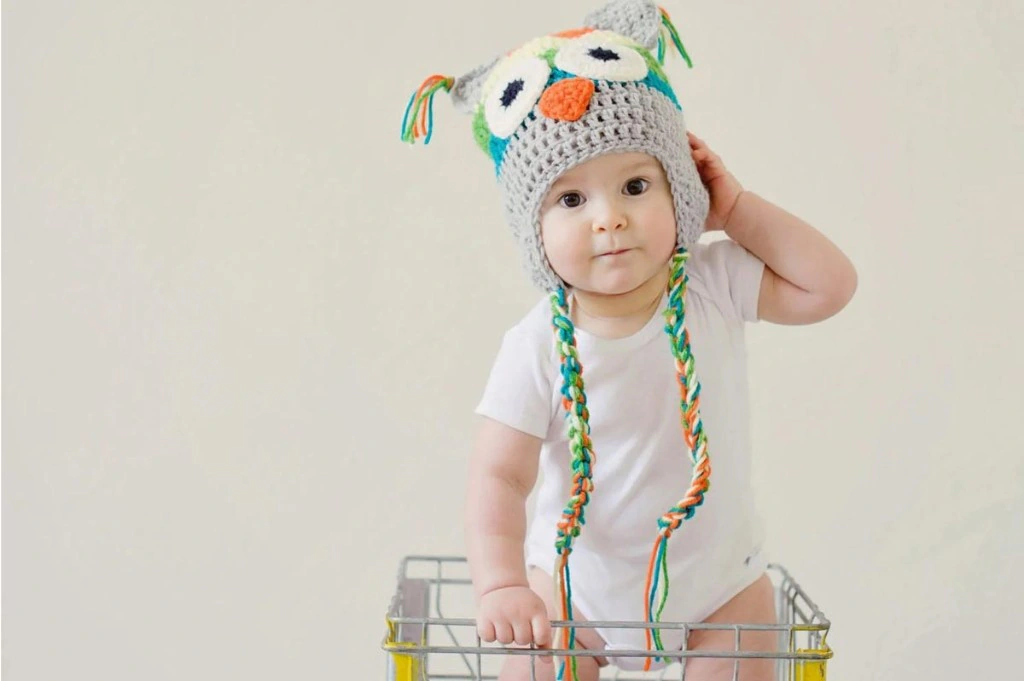
Pediatric Neurosurgery in Ankara
Evaluation of cranial deformities in infants and children, craniosynostosis, tethered cord syndrome, Chiari malformation, and pediatric brain tumor.
Prof. Dr. Alp Özgün Börcek
Neurosurgery
Ankara Güven Hastanesi
You can schedule an appointment for a second consultation or examination.
Schedule an Appointment via WhatsApp Contact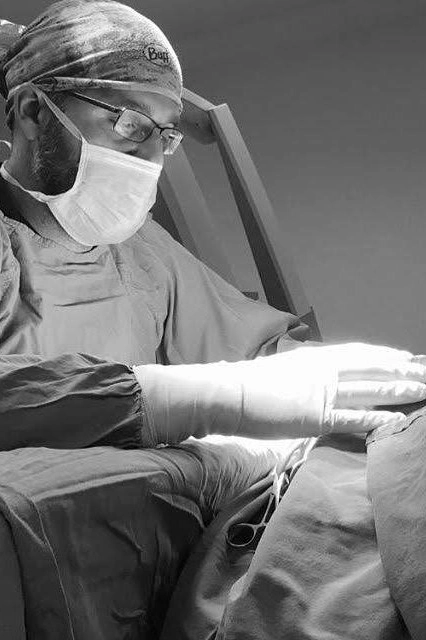
Prof. Dr. Alp Özgün Börcek
Neurosurgery
Ankara Güven Hastanesi
This content is for informational purposes only; a medical examination is required for diagnosis and treatment. Medical texts must be reviewed by a doctor.

Pediatric neurosurgery (child brain surgery) involves the evaluation of congenital or acquired conditions affecting the brain, spinal cord, and skull bones in infants and children. Unlike adult neurosurgery, growth, development, and family expectations are factored into the treatment plan.
Prof. Dr. Alp Özgün Börcek provides a wide range of diagnostic and surgical services at Ankara Güven Hastanesi, from cranial deformities in infants to pediatric brain tumor.
In What Situations Should a Patient Seek Treatment for Pediatric Neurosurgery?
A pediatric neurosurgical evaluation may be necessary in cases of marked asymmetry or rapid changes in head shape, suspected developmental delay, walking difficulties, frequent vomiting, morning headaches, balance problems, or seizures.
Some findings require immediate evaluation; others can be monitored over time. It helps the examination if families bring their concerns along with photos, head circumference charts, and previous reports.
Head Shape Abnormalities
A misshapen head, flat head, or prominent forehead can cause concern for families. Mild asymmetries after birth are common and may resolve as the baby grows; however, a detailed examination is necessary in cases of pronounced or progressive deformities.
The most critical distinction is, positional plagiocephaly (depending on the sleeping position) and craniosynostosis (early closure of the suture). For more information, Head Deformity You can check out the page.
craniosynostosis
Sutures that close prematurely can affect the shape of the head; head growth may stop in certain directions, or an abnormal shape may develop. Each of the sagittal, metopic, coronal, and lambdoid sutures can lead to a different head shape.
The findings that require surgical evaluation are determined through physical examination, head measurements, and, if necessary, imaging. Early diagnosis is important for planning surgery during the growth period. craniosynostosis The page describes the types and treatment options.
Tethered Spinal Cord
In tethered cord syndrome, the lower end of the spinal cord or filum terminale remains attached to the bony wall of the spine; this causes tension as the child grows. A dimple, hair growth, skin lesion, foot deformity, gait abnormality, or urinary problems in the midline of the lower back may be suggestive of this condition.
Not every lumbar dimple indicates a tethered cord syndrome; however, in cases of suspicious findings, an MRI evaluation may be performed. Spinal Tension The page provides a detailed explanation of symptoms and treatment options.
Chiari malformation Malformation
In Arnold-Chiari malformation malformation, cerebellar tissue has herniated into the spinal canal. Patients may present with headaches, vomiting, balance problems, neck pain, or sleep apnea; in some cases, hydrocephalus may be present.
Follow-up or surgery is planned based on the type and severity of the condition. Chiari malformation You can find detailed information on that page.
Pediatric Brain Tumors
Early evaluation is important when a brain tumor is suspected in children. Symptoms such as headache, vomiting, balance problems, vision problems, seizures, or developmental delay may be cause for concern.
The treatment plan is developed through a multidisciplinary approach; surgical, radiation therapy, and chemotherapy options are evaluated together based on the type of tumor. Child with a brain tumor The process is summarized on that page.
hydrocephalus
hydrocephalus is a condition characterized by increased intracranial pressure resulting from a disruption in the normal circulation of cerebrospinal fluid (CSF). In infants, rapid enlargement of the head circumference and a bulging fontanelle may be observed; in older children, headaches and vomiting may be prominent.
hydrocephalus is one of the key topics in pediatric neurosurgery. Evaluation and treatment options—typically a shunt or endoscopic ventriculostomy—are planned following a physical examination and imaging studies. hydrocephalus You can also check out that page.
Differences Between Pediatric and Adult Neurosurgery
In official regulations, “pediatric neurosurgery” and “adult neurosurgery” are not defined as separate subspecialties; both are considered part of the neurosurgery specialty. However, a subspecialty of pediatric neurosurgery was established within the Turkish Neurosurgery Association in the 1990s; education, conferences, and patient follow-up in pediatric neurosurgery have developed within this framework.
In practice, it is possible for an adult neurosurgeon to perform pediatric surgery, and for a pediatric neurosurgeon to perform adult surgery. The main difference is generally which patient group is the focus of more intensive work and in which disease spectrum more experience has been gained. Physicians who systematically focus on Pediatric Neurosurgery often deal with pediatric conditions such as craniosynostosis, hydrocephalus, tethered cord syndrome, and pediatric tumors—often have more experience than their colleagues who work exclusively with adult patients.
1. Anatomical and Structural Differences
Skull and skeletal structure: Children’s skull bones are thinner and more fragile than those of adults. In infants, the open sutures and fontanelle (fontanelle) provide limited flexibility in the event of an increase in intracranial pressure (ICP); however, this compensatory capacity can be quickly exhausted.
Brain tissue: A child’s brain is denser than an adult’s and less amenable to physical manipulation. Its mechanical properties are also different; surgical planning is carried out accordingly.
Body proportions: In young children, the head is larger and heavier relative to the rest of the body; this increases the risk of head trauma from falls or impacts.
2. Types of Diseases and Pathology
brain tumor: While the vast majority of brain tumors in children are located in the posterior fossa, tumors in adults are generally found in the cerebral hemispheres. While tumors in adults can often spread from other parts of the body (metastasis), tumors in children mostly originate directly from brain tissue.
hydrocephalus: In children, hydrocephalus is usually associated with congenital anomalies or infections. In older adults, however, different clinical presentations, such as normal-pressure hydrocephalus (NPH), come to the fore.
Mechanisms of trauma: Types of trauma specific to children, such as SCIWORA (spinal cord injury without radiographic findings) and shaken baby syndrome, are not seen in adults.
3. Physiological and Surgical Differences
intracranial pressure and blood pressure: Normal ICP values are lower in children than in adults. Blood pressure normograms also vary significantly by age.
Blood volume and tolerance: Children have a small total blood volume; for example, in a 3-kg infant, a blood loss of 50 ml can account for approximately 20% of the total volume and pose a life-threatening risk.
Anesthesia management: Due to the risk of rapid heat loss (hypothermia) and airway obstruction, pediatric anesthesia requires more careful planning.
4. Treatment and Follow-Up Process
Long-term follow-up: Pediatric neurosurgical conditions are often lifelong; this may require establishing a long-term relationship between the surgeon and the family that spans from childhood through adolescence.
Developmental impact: The cumulative effect of surgical procedures on a child’s facial and cranial growth must always be taken into account.
Transition process: The transition of pediatric patients to the adult care system is a critical step in chronic conditions requiring ongoing care, such as hydrocephalus with a shunt.
Summary Comparison
| Feature | Pediatric Neurosurgery | Adult Neurosurgery |
|---|---|---|
| Skull bone | Thin, flexible; sutures may be visible | Thick, firm; all sutures are closed |
| Tumor location | Mostly the posterior fossa (back of the skull) | Mostly the cerebral hemispheres |
| Blood volume | Very low; losses are critical | High; losses are better tolerated |
| Normal ICP | Lower values | Higher values |
| Equipment | Small-sized devices designed specifically for children | Standard surgical equipment |
Evaluation of cranial deformities in infants and children, craniosynostosis, tethered cord syndrome, Chiari malformation, and pediatric brain tumor.
Schedule an Appointment via WhatsApp ContactRelated Pages


Frequently Asked Questions
No. Many cases are positional plagiocephaly; they can be managed with positional adjustments, tummy time, and, if necessary, helmet therapy. If craniosynostosis is suspected, surgical evaluation is considered.
In official regulations, “pediatric neurosurgery” and “adult neurosurgery” are not defined as separate subspecialties. A subspecialty of pediatric neurosurgery was established within the Turkish Neurosurgery Association in the 1990s; pediatric neurosurgery has developed within this framework.
It is possible for an adult neurosurgeon to perform pediatric surgery, just as it is possible for a pediatric neurosurgeon to perform adult surgery. The main difference usually lies in which patient group they work with more frequently; physicians who systematically focus on pediatric neurosurgery often have more experience with pediatric pathologies. For anatomical, physiological, and disease-related differences, see the page Differences Between Pediatric and Adult Neurosurgery You can check out that section.
An rapidly enlarging head circumference, persistent vomiting, seizures, progressive weakness, altered consciousness, or sudden vision problems require immediate evaluation without delay.
No; most dimples are harmless. However, if a deep dimple along the midline is accompanied by hair growth, a skin lesion, a foot deformity, or a gait abnormality, an examination and an MRI evaluation are recommended.
Author: Prof. Dr. Alp Özgün Börcek
Last updated: July 2, 2026
This content is provided for informational purposes only; it is not intended to replace a personal diagnosis or treatment.